
EDI Integration Services Without the Vendor Lock-In
Your biggest retailer just mandated EDI, and every quote you get is a per-document subscription you’ll pay forever. We build EDI integration services around your actual stack — classic engineering where reliability is non-negotiable, AI where it earns its keep. Working prototype on your real data in 14 days.
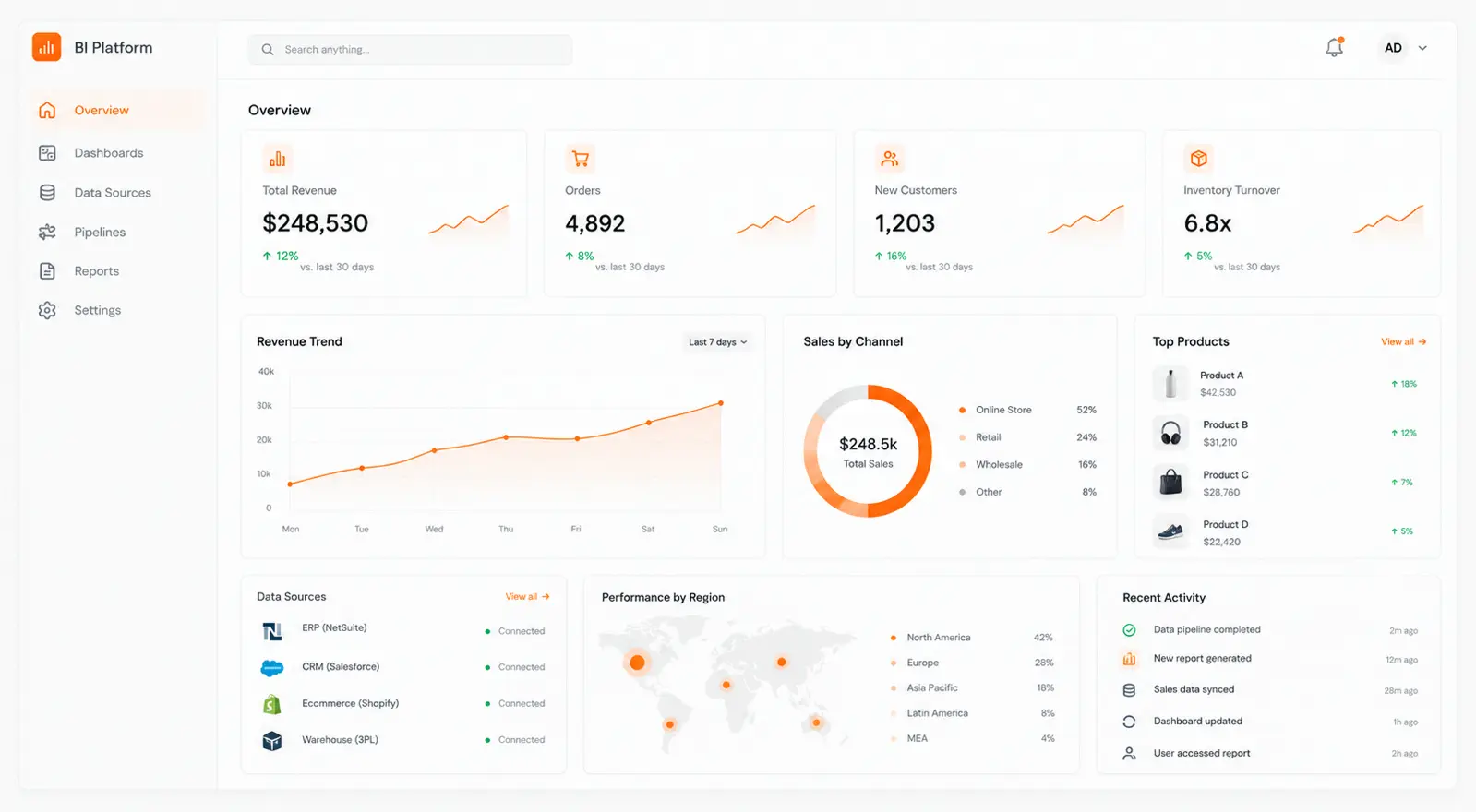




A Full-Service Process for EDI Integration Go-Live
From your first trading partner spec to live 850s, 855s, and 810s flowing straight into your ERP — here’s the path.
Step 1
Partner & Spec Audit
We pull your trading partner guidelines — Walmart, Target, Amazon, whoever mandated you — and map every required transaction set against what your ERP can already emit. You leave with a document-by-document scope, not a generic EDI proposal. This is the same architecture audit we run on every engagement.
Step 2
Mapping & Translation
We build the X12 or EDIFACT maps — 850 to your order table, 856 back out with the right ASN hierarchy, 810 into your invoicing flow. Where partner specs arrive as 200-page PDFs, we use document AI to extract the rules instead of retyping them.
Step 3
Certification & Testing
We run your partner’s test cycle end to end — sample transactions, 997 acknowledgements, compliance corrections — until you pass certification. Every map is regression-tested against real payloads, so the first live purchase order isn’t the first time your integration sees production data.
Step 4
Go-Live & Monitoring
We deploy inside your private cloud, wire up alerting for failed transmissions and rejected documents, and hand your team a runbook. You own the repository. Adding partner number two later is a scoped change to code you control — see how that discipline plays out in our case studies.
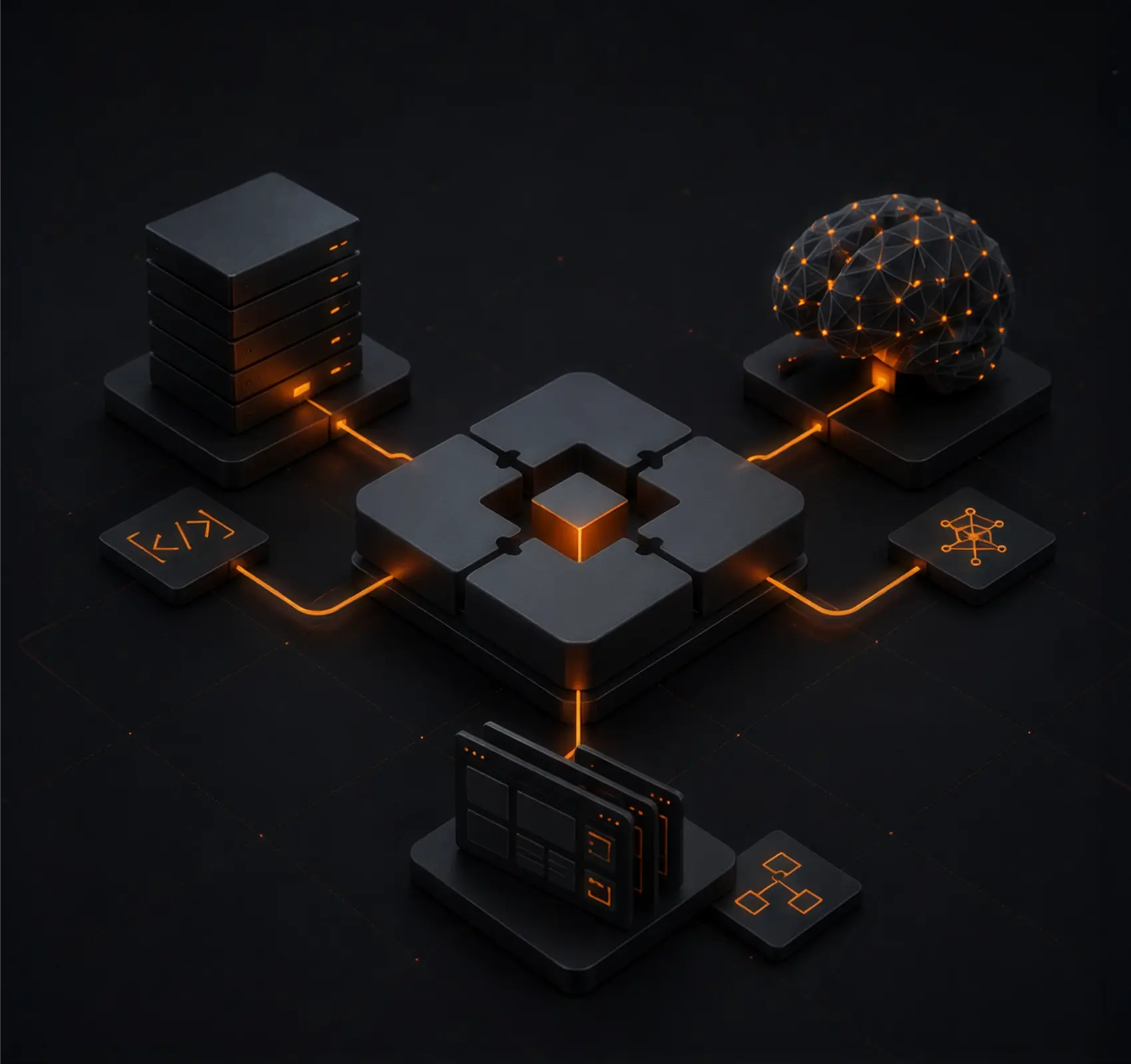
Proof Before
the Full Build
Before you commit a full EDI budget, we ship a working prototype on your real partner documents in 14 days — one live transaction set, parsed, mapped, and landed in your system. You see the integration working on your own 850s before you approve the production scope.
Analytics We Have Actually Shipped
We haven’t published an EDI-specific case study yet. What we have shipped is the same discipline on brittle retail data pipelines: a self-healing integration for a mid-market retailer that took monitoring uptime to ~99 %, cut latency from 2–4 days to under an hour, and went live in six weeks.
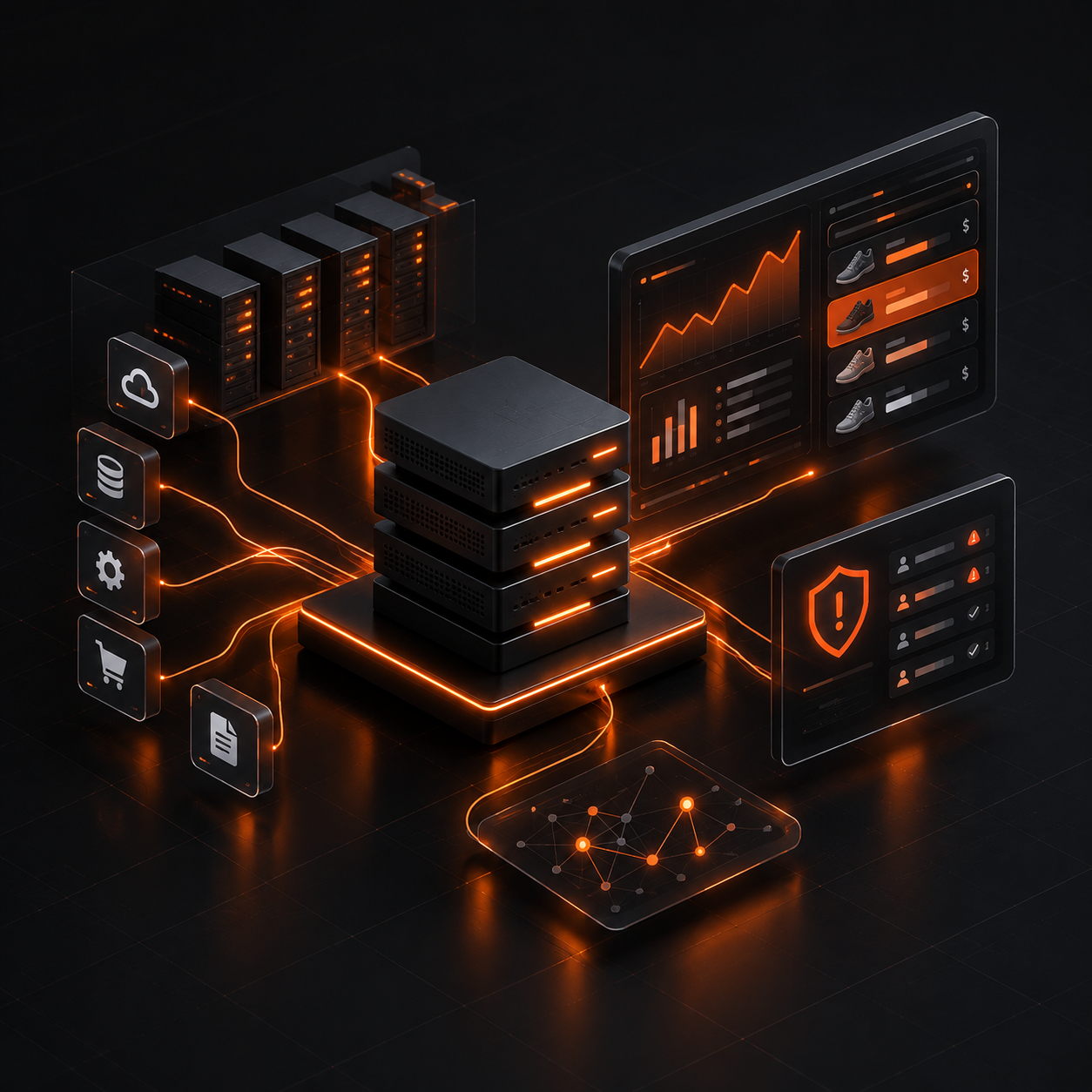

Every EDI map, partner credential, and transaction log runs inside your private cloud perimeter. Your purchase orders, pricing, and vendor relationships never leave it and never train a public model.

You own the repository, the maps, and the integration logic. No per-document fee, no per-partner license, no platform holding your trading relationships hostage if you decide to bring EDI in-house.

No junior bench learning X12 on your budget. Backend architects, integration engineers, and a domain analyst work your project from the audit call through partner certification and go-live.

The first integration is engineered as a platform, not a one-off. Onboarding trading partner five costs a fraction of partner one, because the maps, monitoring, and error handling are already yours.
EDI Integration Cost & Packages
EDI Pilot
$12,000+
One trading partner, one transaction set, running end to end on your real documents in about two weeks. Best for suppliers who just got an EDI mandate and need to know what compliance actually costs before committing.
What's included?
.svg)
Spec Audit: we read your partner’s guideline and scope the required documents
Single Map: one inbound or outbound transaction set, built and tested
Sandbox Run: live payloads processed against your real ERP export format
Findings Report: what production will take, in scope, time, and budget
Production EDI
$28,000+
A live, certified integration covering your core order-to-cash cycle — 850, 855, 856, 810 — wired into your ERP with monitoring and alerting. This is the tier most SMB suppliers choose to go compliant with one major retailer.
What's included?
Full Transaction Set: the documents your partner mandates, mapped both directions
ERP Integration: secure connection to NetSuite, QuickBooks, SAP, or your system
Certification Support: we run the partner test cycle until you pass
Monitoring & Alerting: failed transmissions and rejected documents surface before your partner calls
Multi-Partner Build
$55,000+
A multi-partner, multi-document EDI layer for suppliers scaling past a single retailer — plus the AI components that handle what standard EDI never covers: unstructured specs, exception triage, and non-EDI partners still sending PDFs.
What's included?
Multiple Partners: onboarding framework so partner five costs less than partner one
Document AI: PDF and email orders normalized into the same pipeline
Compliance: SOC2/GDPR-aligned deployment inside your own cloud perimeter
Team Training: runbooks and hands-on onboarding so your staff operates it

Why Choose Building Agentic?
You can rent a per-document EDI platform, brief an offshore team on X12, or hire one accountable partner that owns the integration end to end.

Right Tool, Per Component
Classic engineering for the X12 layer, AI for unstructured specs, low-code for internal dashboards — the right approach per component, not one hammer for every nail.
One Accountable
Team
One team of solutions architects and integration engineers owns your build from spec audit through partner certification — no handoffs between disconnected contractors.

No Per-Document
Tax
You pay once to build the integration instead of paying a transaction fee on every purchase order for as long as you trade.

Prototype Before Budget
You approve the production scope after seeing your own trading partner documents flow through a working prototype — not after reading a proposal.




Industries We Build EDI Integrations For
EDI rarely arrives alone. It shows up attached to a procurement mandate, a retailer's compliance program, or an invoice backlog — which is why we build it alongside the systems it feeds.









Frequently Asked Questions About EDI Integration Services
